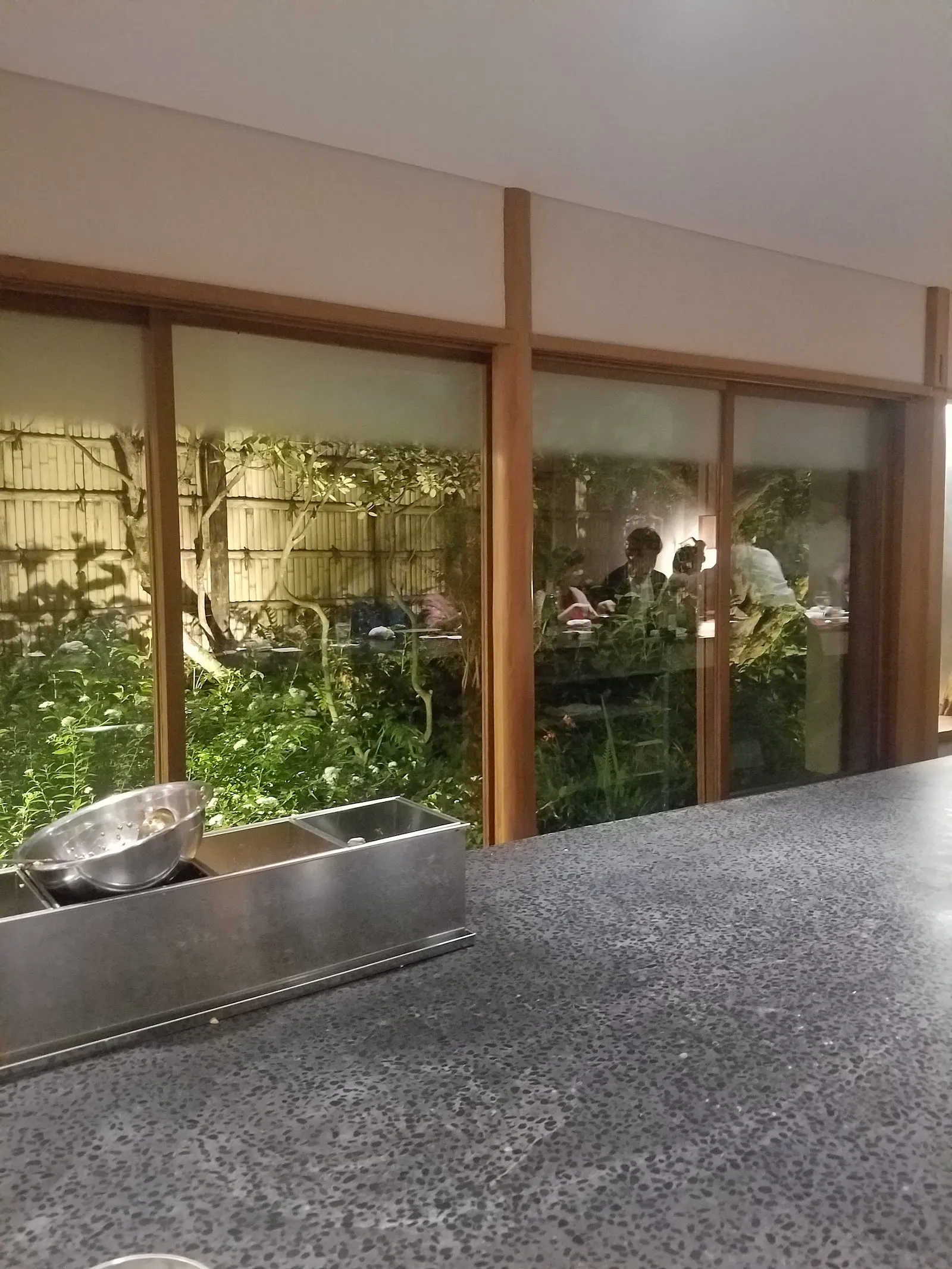
Kamakura — Editorial Overview
An hour south of Tokyo by train, Kamakura has quietly built one of Japan's most distinctive dining cultures — kaiseki kitchens tucked behind temple gardens, roast-beef institutions perched above Sagami Bay, and French tables where chefs source the morning catch from local fishermen. Dining here is slower, more contemplative, shaped by the town's rhythm of shrines and coastline.
Dining Neighbourhoods
The most rewarding tables cluster in three pockets: Ōmachi (stone-walled lanes behind Wakamiya-dōji, where kaiseki specialists hide in converted machiya houses), Hase (walking distance from the Great Buddha, home to sea-facing French and Italian), and Kamakurayama (the wooded hills above town where the old-money roast-beef houses have operated since the Shōwa era). Yuigahama's beachfront strip covers the more casual cafe and izakaya scene.
Dining Culture & Reservations
Kamakura dining culture rewards patience. Most serious restaurants operate on a single nightly seating of eight to twelve covers. Reservations open exactly one or two months ahead and close within hours — the good concierges at the Kamakura Prince and Kamakura Park Hotel can often still pull a table when booking platforms show nothing. Service is unhurried; a proper kaiseki meal runs three hours minimum, and the waitstaff will treat any attempt to speed it up as a minor tragedy. Tipping is neither expected nor welcomed.
Tips From the Editors
Come on a weekday if you can. Weekend crowds from Tokyo fill Enoden-line restaurants by noon, and the quietest kaiseki rooms book out first. Dress is smart-casual bordering on conservative — this is not a beach town that rewards beachwear indoors. For proposals and milestone dinners, request a garden-facing or ocean-facing room when booking; the view is half of what you're paying for.
All Restaurants in Kamakura
The Kamakura Editorial Top 5
-
#1
Omakase / Kaiseki · $$ · Close a Deal
Kamakura's most uncompromising omakase counter — ten seats, one chef, a meal that advances your cause without saying a word.
-
#2
Modern French · $$ · Proposal
A stone cottage above Yuigahama beach where the dining room opens onto the Pacific — the romantic choice in Kamakura, period.
-
#3
Wagyu / Japanese · $$ · Impress Clients
A century-old shingle-roof residence on the Shichirigahama bluff — wagyu and the Pacific, in that order.
-
#4
Roast Beef House · $$ · Birthday
A Shōwa-era roast-beef hall on a forested hilltop — carving trolleys, domed silver cloches, and absolutely no irony.
-
#5
Modern Kaiseki · $$ · Solo Dining
An eight-seat kaiseki counter behind a machiya gate — the thinking solo diner's Kamakura.
New tables delivered monthly.
The Kings newsletter — occasion-led restaurant reviews from every continent.
Frequently Asked Questions
What is the best restaurant in Kamakura?
For 2026, our editorial pick is Ichirin Hanare. Editorial runners-up: Pleins d'Herbes, Onzoshi Kiyoyasutei, Roastbeef no Mise Kamakurayama, kinon.
Where should I eat in Kamakura tonight?
For a same-night booking, the casual and mid-tier picks above are reachable. kinon typically takes walk-ins; Roastbeef no Mise Kamakurayama accepts day-of reservations. The splurge picks (Ichirin Hanare, Pleins d'Herbes) need 3–5 weeks notice.
How much does dinner cost in Kamakura?
At the splurge picks (Ichirin Hanare, Pleins d'Herbes), expect $200–$400 per person without wine — full tasting menus. Mid-tier rooms run $80–$140. Casual but excellent neighborhood spots in Kamakura sit at $40–$70.
What is the most expensive restaurant in Kamakura?
Ichirin Hanare sits at the top of the Kamakura dining list — full tasting menu with wine pairings runs $400+ per person. Other splurge-tier rooms (Pleins d'Herbes, Onzoshi Kiyoyasutei) cluster at $250–$350.
Which Kamakura restaurants have Michelin stars?
The top of our Kamakura list is anchored by Michelin-starred and globally-recognized rooms. Ichirin Hanare, Pleins d'Herbes and Onzoshi Kiyoyasutei are the rooms most frequently cited in international guides.
Do I need a reservation for restaurants in Kamakura?
For the splurge and mid-tier picks: yes, always. Splurge tier needs 3–6 weeks notice; mid-tier 1–2 weeks. Casual rooms in Kamakura take walk-ins early evening (5:30–6:30pm) and last-minute cancellations open up regularly through the booking apps.
What's the best neighborhood for restaurants in Kamakura?
Kamakura's strongest dining clusters around the central business district and the high-end residential quarters — that's where the splurge picks (Ichirin Hanare, Pleins d'Herbes) sit. Casual options spread further; bookmark this guide for the full neighbourhood breakdown.
Where do locals eat in Kamakura?
The casual and mid-tier picks above are local-frequented — fewer tourists, better pricing, and the rooms where Kamakura-based diners have weekly tables. The splurge picks attract a mix of locals (anniversary, business) and international visitors.
Practical Guide to Dining in Kamakura
Reservations in Kamakura follow standard etiquette. The fine-dining picks above book 2-4 weeks ahead for weekend evenings; mid-tier neighbourhood restaurants accept 1-2 weeks; casual options often allow walk-ins if you arrive at 7pm or earlier. The peak season for Kamakura dining mirrors the city's broader tourism rhythm — weekends and high-season holidays are tighter than mid-week and off-peak. Booking through the restaurant directly is faster than third-party platforms for the venues that maintain their own reservations.
Tipping in Kamakura follows the local custom: 10-15% on the pre-tax total is standard, with 18-20% reserved for genuinely exceptional service. Many fine-dining venues now include a service charge automatically — check the bill before adding more. Card payment is universally accepted at the venues above; cash is welcomed but rarely required.
Best Time to Visit Kamakura for Dining
Kamakura's dining scene operates year-round, but the best windows depend on your goals. Spring (March-May) and autumn (September-October) typically offer the best balance of weather, ingredient seasonality, and reservation availability. Summer brings tourist density at the harbour-side and central restaurants; the locals' favourite venues stay calmer in their own neighbourhoods. Winter is quieter but the heartier seasonal cooking — long-cooked meats, root vegetables, fortified wines — comes into its own.
The major calendar events to plan around: locally-relevant food festivals, a city restaurant week if Kamakura runs one, and the international tourist holidays. The serious dining venues maintain their service quality across all seasons; the mid-tier options can dip during peak tourist periods when the staff is stretched thin.
What Makes Kamakura Different
Every dining city has a structural reason for its restaurant culture, and Kamakura is no exception. The combination of local ingredient sourcing, the city's broader cultural orientation, the international cuisine integration, and the regulatory environment around food and beverage all shape what shows up on the plate. The restaurants we've ranked above are the ones that handle these structural elements with the most care — kitchens that know where their suppliers are, sommeliers who understand the regional wine context, and dining rooms calibrated to the city's actual pace rather than imported templates.
For visitors planning a single dining-driven trip to Kamakura, our recommendation is to balance the splurge tier with the mid-tier neighbourhood discoveries that show what the city actually eats day-to-day. The casual options work for arrival nights, late-evening drinks, or the moments when the conversation matters more than the cuisine.