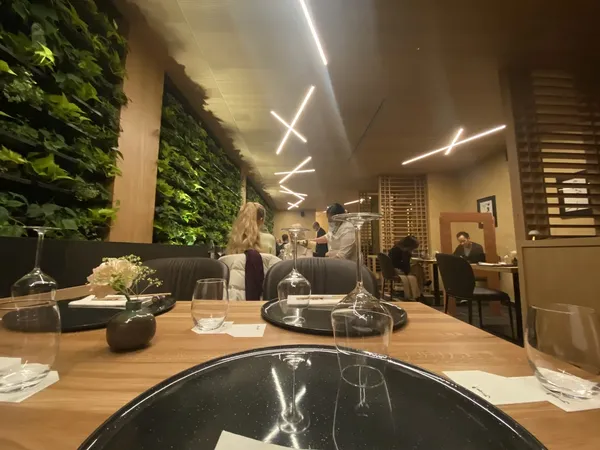
Dining in Luxembourg City
Luxembourg City operates as Europe's best-kept gastronomic secret. A capital of 130,000 people — smaller than most cities' financial districts — somehow supports four Michelin stars across its restaurant scene, with another cluster of starred tables in the surrounding Grand Duchy. The reason is simple: money. Luxembourg is the second-wealthiest country per capita on earth, and its finance sector attracts an international elite with equally international standards. These guests demand top-tier food, and the restaurants have risen to meet them.
The Grundquarter — Where Fine Dining Meets Cobblestones
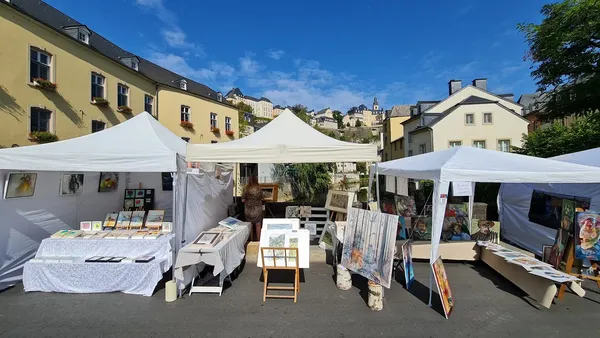
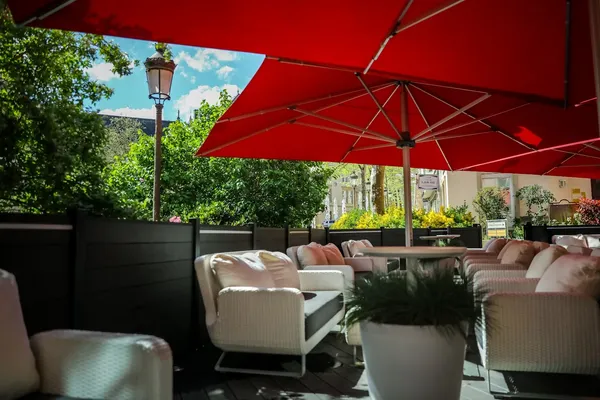
The Grund is Luxembourg City's most atmospheric dining district — a medieval valley quarter accessed by descending 45-metre cliffs via elevator or switchback path. The Alzette river flanks cobblestone streets lined with 17th-century townhouses. Mosconi and Aké by Kamakura both occupy Rue Münster in the Grund, making the quarter a natural pre-dinner or post-dinner stroll destination. In summer the riverside terraces fill with the city's professional class unwinding after the markets close.
Ville Haute — Power and Polish
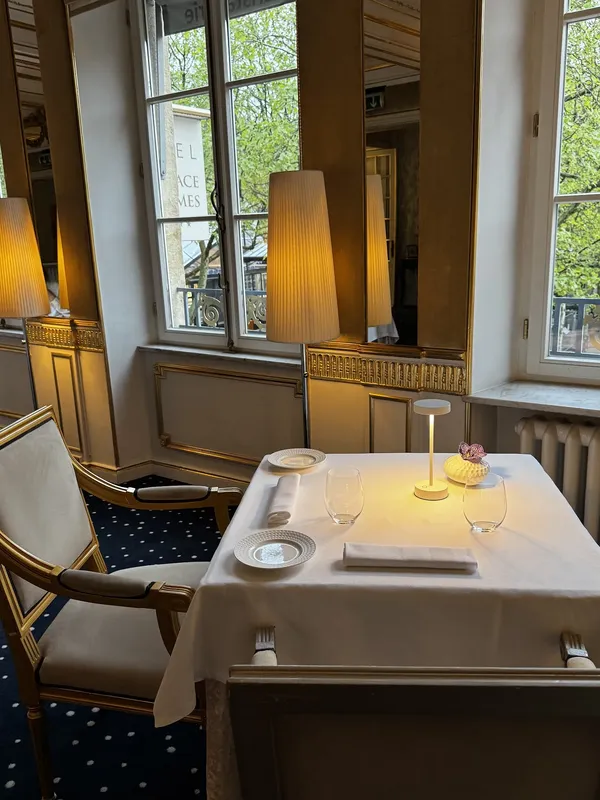
The upper city — Ville Haute — is where Luxembourg's government and European institutions cluster. Place d'Armes, Place de Clairefontaine, and the Boulevard Roosevelt form the gastronomic spine of the upper town. La Cristallerie sits within the Le Place d'Armes hotel on the square. Clairefontaine faces the trees of Place de Clairefontaine, steps from the Grand Ducal Palace. This is where state dinners overflow into private bookings and where a good table is a signal of arrival.
Reservation Strategy
Luxembourg City restaurants book tightly despite the small market. Mosconi in particular operates on a limited cover count — the 10-table dining room fills weeks in advance for dinner service, and the private dining room is often reserved for regulars and institutional clients. Book at least three weeks ahead for any starred table. La Cristallerie and Clairefontaine are slightly more accessible mid-week. Grünewald Chef's Table, located in Dommeldange on the eastern edge of the city, is easiest to book with one to two weeks' notice but fills at weekends.
What to Expect on the Plate
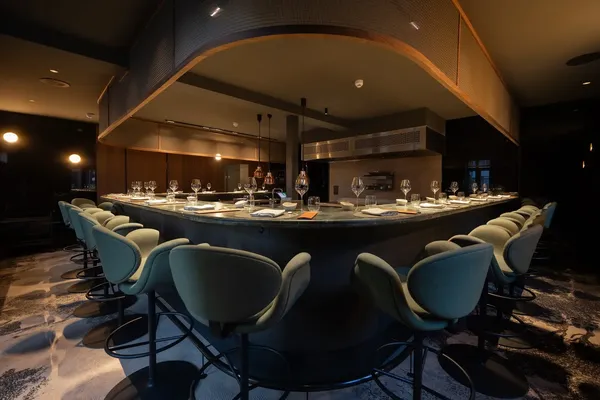
Luxembourg's starred kitchens reflect the city's international DNA without sacrificing local terroir. Ilario Mosconi brings decades of Italian mastery — his pasta is made daily, his truffles sourced directly from Périgord, his menus seasonal without being theatrical. Milan Brée at La Cristallerie represents the new generation of French-trained chefs who work with hyper-local ingredients but plate with precision that reads as global. Arnaud Magnier at Clairefontaine holds to a more classical French tradition — his menus build on the great sauces and the land-sea combinations he has refined over two decades at the same address. Clovis Degrave at Grünewald Chef's Table is the city's most exciting new voice — Japanese technique, Luxembourg ingredients, and a counter-dining format that turns eating into theatre.
Neighbourhoods and Pricing
Expect to pay €80–130 per person for a full dinner at a Michelin-starred Luxembourg restaurant, excluding wine. Wine lists trend toward Burgundy and Bordeaux at the high end, but Luxembourg's own Moselle wines — particularly the crisp Rivaner and elegant Pinot Gris from the Moselle valley — are worth exploring alongside any meal. Dress code is smart-casual at most tables; Mosconi skews slightly more formal. Tipping is discretionary — service is included in Luxembourg by law, but 10% for exceptional service is well received.
Getting There
Luxembourg City is served by Luxembourg Airport, a 20-minute taxi ride from the city centre. By rail: two hours from Brussels, two hours from Paris, three and a half hours from Amsterdam. Public transport within the city is free — buses connect the upper and lower towns. Parking in the Grund is limited; most visitors approach on foot from the city lifts or by taxi. Grünewald Chef's Table in Dommeldange is best reached by taxi or hired car.
Frequently Asked Questions
What is the best restaurant in Luxembourg City?
For 2026, our editorial pick is Mosconi. Editorial runners-up: La Cristallerie, Restaurant Clairefontaine, Grünewald Chef's Table, Aké by Kamakura.
Where should I eat in Luxembourg City tonight?
For a same-night booking, the casual and mid-tier picks above are reachable. Aké by Kamakura typically takes walk-ins; Grünewald Chef's Table accepts day-of reservations. The splurge picks (Mosconi, La Cristallerie) need 3–5 weeks notice.
How much does dinner cost in Luxembourg City?
At the splurge picks (Mosconi, La Cristallerie), expect $200–$400 per person without wine — full tasting menus. Mid-tier rooms run $80–$140. Casual but excellent neighborhood spots in Luxembourg City sit at $40–$70.
What is the most expensive restaurant in Luxembourg City?
Mosconi sits at the top of the Luxembourg City dining list — full tasting menu with wine pairings runs $400+ per person. Other splurge-tier rooms (La Cristallerie, Restaurant Clairefontaine) cluster at $250–$350.
Which Luxembourg City restaurants have Michelin stars?
The top of our Luxembourg City list is anchored by Michelin-starred and globally-recognized rooms. Mosconi, La Cristallerie and Restaurant Clairefontaine are the rooms most frequently cited in international guides.
Do I need a reservation for restaurants in Luxembourg City?
For the splurge and mid-tier picks: yes, always. Splurge tier needs 3–6 weeks notice; mid-tier 1–2 weeks. Casual rooms in Luxembourg City take walk-ins early evening (5:30–6:30pm) and last-minute cancellations open up regularly through the booking apps.
What's the best neighborhood for restaurants in Luxembourg City?
Luxembourg City's strongest dining clusters around the central business district and the high-end residential quarters — that's where the splurge picks (Mosconi, La Cristallerie) sit. Casual options spread further; bookmark this guide for the full neighbourhood breakdown.
Where do locals eat in Luxembourg City?
The casual and mid-tier picks above are local-frequented — fewer tourists, better pricing, and the rooms where Luxembourg City-based diners have weekly tables. The splurge picks attract a mix of locals (anniversary, business) and international visitors.