 #2 in Málaga
Kaleja
$$$"Dani Carnero cooks over embers in a hidden alley of the Judería — ancient technique, Michelin precision, and the most persuasive table in Málaga."
9.0Food
8.8Ambience
8.5Value
The best restaurants in Málaga for 2026 are led by José Carlos García. Runners-up by editorial rank: Kaleja, Blossom, Palodú, El Pimpi.
Andalusia — Spain
All Restaurants — Málaga
$ under $40 · $$ $40–$80 · $$$ $80–$150 · $$$$ $150+ per person
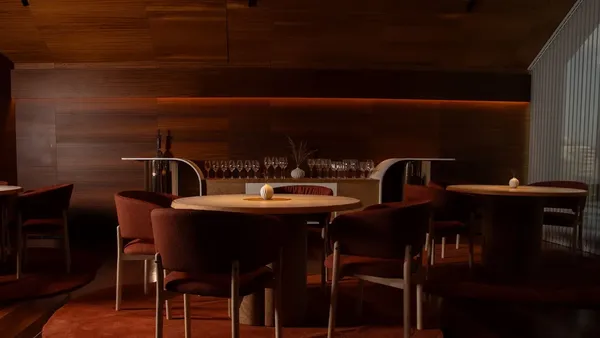
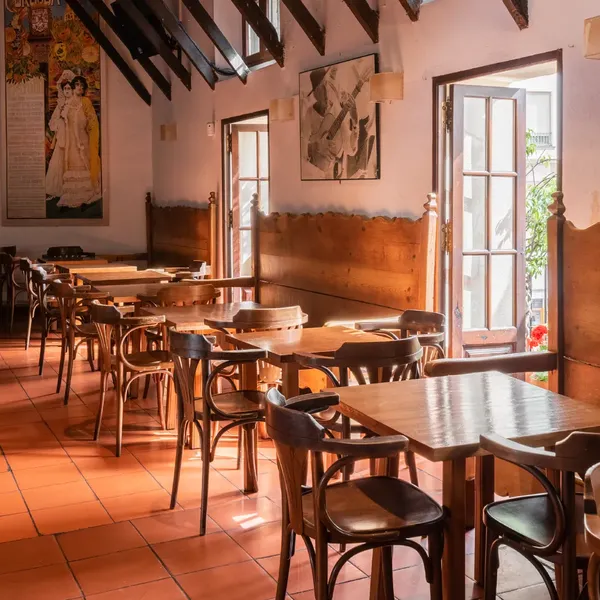
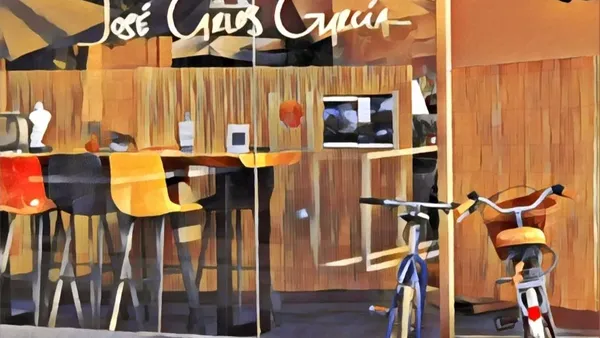
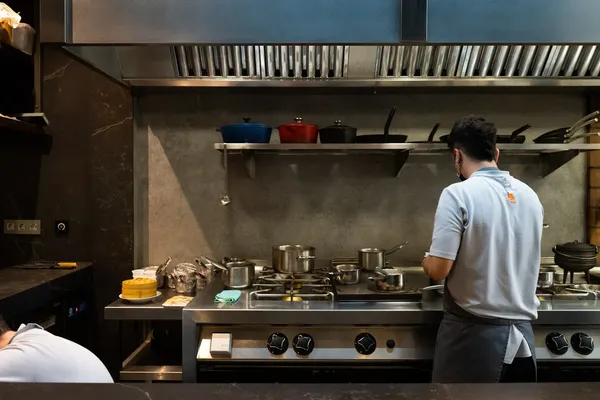
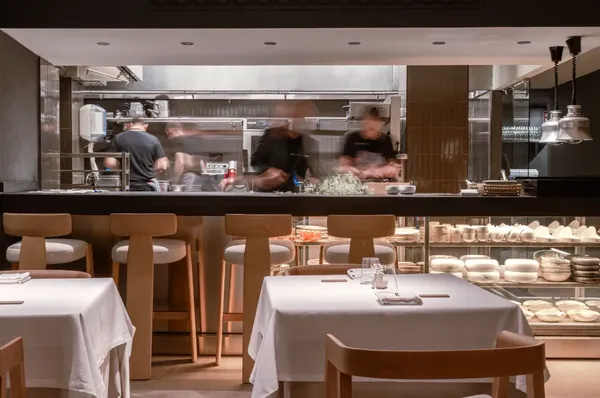
"The power table at Muelle Uno — Málaga's original Michelin star, glass kitchen, and a tasting menu that makes the harbour irrelevant."
#2 in Málaga
"Dani Carnero cooks over embers in a hidden alley of the Judería — ancient technique, Michelin precision, and the most persuasive table in Málaga."
 #3 in Málaga
"Chef Emi Schobert's Buenos Aires sensibility on the fourth floor of the Palacio de la Aduana — Alcazaba views and a tasting menu that earns every one of its fifteen courses."
 #4 in Málaga
"Málaga's newest Michelin star — a dual kitchen where two chefs share equal authority and neither dish leaves without both signatures."
 #5 in Málaga
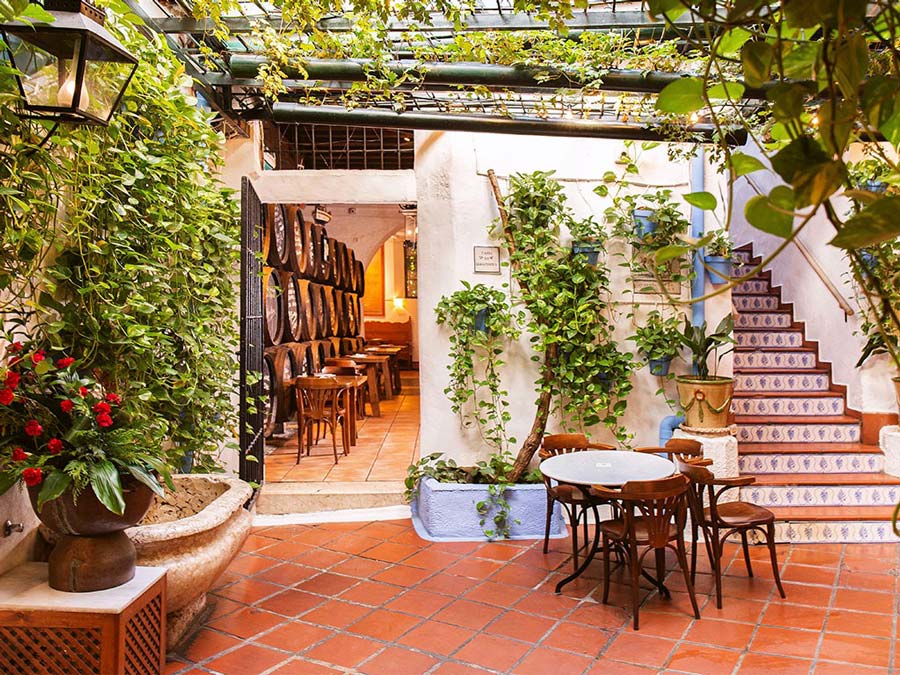
"Fifty years of solera in Spain's most beautiful restaurant — where the Moscatel flows from barrels signed by Banderas and the Alcazaba watches from above."
$ = under €35 | $$ = €35–65 | $$$ = €65–120 | $$$$ = €120+
When the table must signal that you operate differently
#1 in Málaga — Impress Clients
José Carlos García
Málaga's original Michelin star sits at Muelle Uno, in a glass-and-steel room that frames the port as backdrop. The glass kitchen keeps the theatre visible; the tasting menus at €159 and €235 communicate that this is not a casual consideration. When you want a client to understand that you have taste, standards, and are serious about their time, JCG delivers that message in the amuse-bouche before the first course arrives.
Full profile →#2 in Málaga — Close a Deal
Kaleja
The hidden-alley location in the Jewish quarter removes the table from the tourist circuit and puts it in the territory of locals who know. Dani Carnero's ember cooking — long, patient, technically demanding — produces food that rewards attention and creates natural conversation. The deal that gets closed here was advanced by the fact that you knew to book Kaleja. That knowledge signals more than most business cards.
Full profile →The setting that earns the answer you're hoping for
#3 in Málaga — Proposal
Blossom
The fourth floor of the Palacio de la Aduana — an 18th-century neoclassical building now home to the Museum of Málaga — offers a terrace with direct Alcazaba views. Chef Emi Schobert's fifteen-course Confluencia menu takes three hours: enough time to choose the moment deliberately. The room is intimate at thirty covers. The combination of history, food, and that Alcazaba terrace creates conditions where the answer tends to precede the dessert course.
Full profile →#5 in Málaga — Birthday runner-up
El Pimpi
For those who want a proposal with soul rather than ceremony, El Pimpi's ancient patio — surrounded by Moscatel barrels signed by every famous Malagueño who has passed through, with the Alcazaba lit above — provides an irreplaceable emotional charge. The wine, the history, and the room do work that no restaurant designed yesterday can replicate. Spain's most beautiful restaurant is not a cliché: it earns the title every evening.
Full profile →Four Michelin stars, ancient ember cooking, and fifty years of Moscatel
Málaga spent decades as the arrival point for the Costa del Sol rather than the destination itself. Then several things happened simultaneously: the city renovated its waterfront, opened a Pompidou and a Russian museum, and four chefs earned Michelin stars. The restaurant scene that has emerged treats Malagueño tradition — anchovies, espeto (sardines grilled on cane spits), the sweet wines of Moscatel — as the raw material for something more ambitious rather than something to be replaced.
The result is a city with genuine dining range. You can eat the most technically demanding ember-cooked tasting menu in Andalusia at Kaleja, or spend three hours over fifteen courses at Blossom's Alcazaba-view terrace, or simply order a glass of Málaga Dulce and a plate of boquerones at El Pimpi and understand why this city has been worth the journey for centuries.
Muelle Uno — the revamped marina district — is where José Carlos García operates and where the city's most clearly modern restaurant culture expresses itself. The glass-and-steel aesthetic of the port extension suits a Michelin-starred kitchen with views of luxury yachts. It is urban, confident, and unapologetically contemporary.
The historic centre — the Judería, the streets around the cathedral, the area between the Roman theatre and the Atarazanas market — contains the other three starred restaurants and El Pimpi. Walking these streets before or after dinner is not optional: the Roman ruins beside the Alcazaba, the cathedral's unfinished tower, and the market hall's Moorish archway provide the context that explains why Málaga's chefs cook the way they do. History informs the kitchen.
The Pedregalejo and El Palo neighbourhoods, east of the city centre along the beach, are where the espeto tradition lives in its purest form. Beach restaurants (chiringuitos) grill sardines on cane spits over wood fires at the shoreline. This is the Málaga that predates every Michelin star, and it remains essential.
Boquerones en vinagre — fresh anchovies marinated in vinegar and olive oil — are Málaga's signature tapa and the benchmark by which every bodega is judged. The espeto of sardines at a beachside chiringuito is the city's most elemental dining experience. Ajoblanco — a cold almond and garlic soup served with grapes or raisins — is the less-known Andalusian cold soup that outperforms gazpacho for Málaga-specific character.
At the Michelin level, the emphasis shifts toward market-driven menus that incorporate the same local ingredients through more complex technique. José Carlos García works with Atarazanas market produce daily. Dani Carnero at Kaleja uses his ember fire as a reductive rather than additive technique — removing moisture to concentrate flavour in a way that raw ingredients rarely reveal themselves without months of practice.
Málaga wine is one of Spain's most underappreciated categories. The Moscatel-based sweet wines — from pale gold to dark amber depending on aging — carry concentrated dried fruit, honey, and orange peel notes that pair remarkably with Andalusian cuisine. The Denominación de Origen Málaga produces both fully sweet versions and dry Sierras de Málaga table wines that the city's chefs increasingly champion. Ask for a glass of Moscatel Añejo at El Pimpi and begin from there.
The four starred restaurants require advance booking, particularly for the extended tasting menus. Kaleja runs two sittings for its tasting menu and fills both; book a minimum of three weeks ahead for a Friday or Saturday. Blossom's new Museum of Málaga location has expanded capacity from eight to thirty covers, making it slightly more accessible — but the terrace tables for the Alcazaba view remain the most requested in the city and should be specifically requested at booking. José Carlos García is bookable online through its website. Palodú, as the newest starred restaurant, is still building its reservation infrastructure — direct contact via their website is the most reliable approach.
Tipping in Málaga follows Spanish convention: it is appreciated but not obligatory. At Michelin-starred restaurants, 10% is standard for strong service; 5% is the floor. At El Pimpi and casual bodegas, rounding up or leaving coins is customary. Service charges appear occasionally on tourist-area menus but are rare in the serious restaurants.
RFK Newsletter
We email you when a table worth booking opens in Malaga — reviewed by our editors, never paid placements.