Dublin's Finest Tables
60 restaurants listedNew Dublin restaurants, first.
We email you when a table worth booking opens in Dublin — new openings and editor picks, free.
$ under $40 · $$ $40–$80 · $$$ $80–$150 · $$$$ $150+ per person
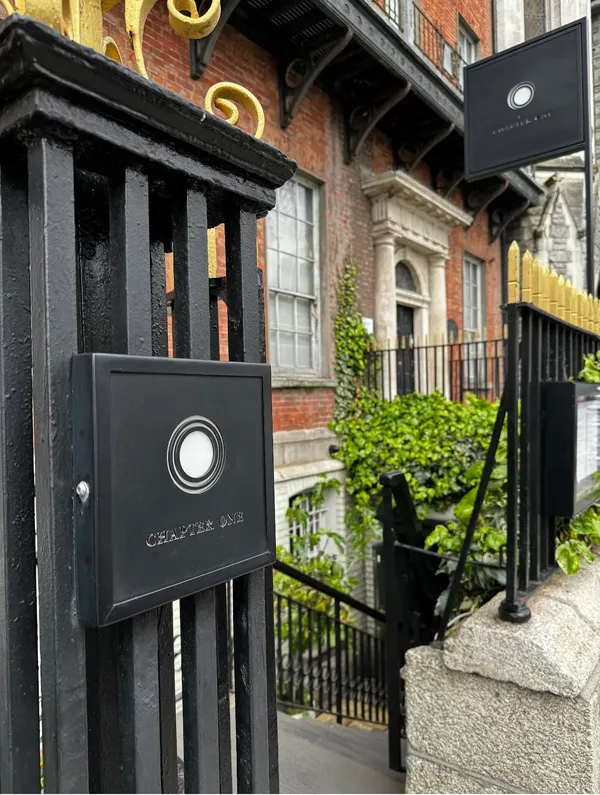
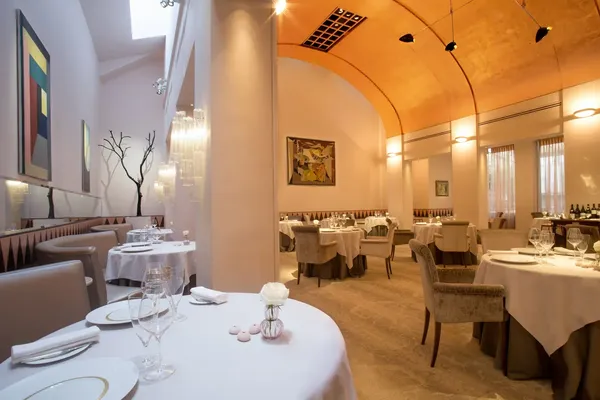
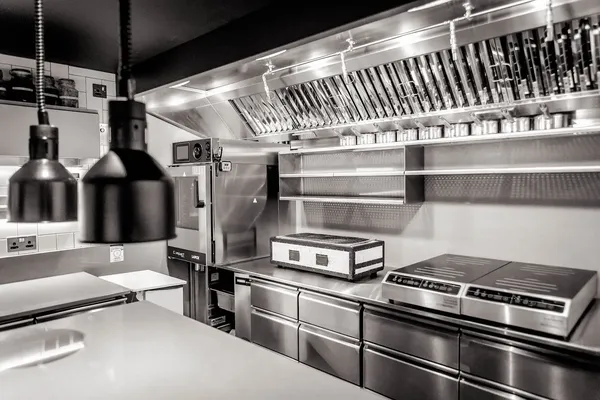

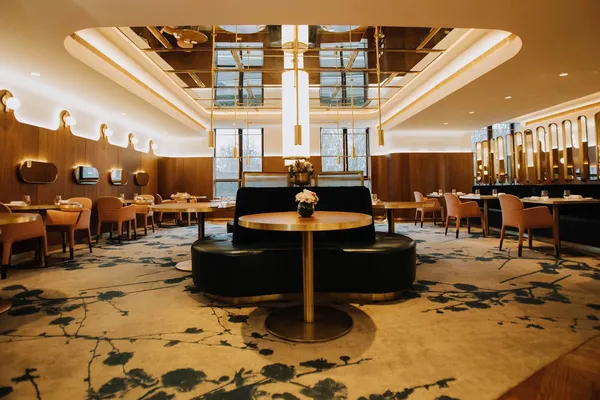
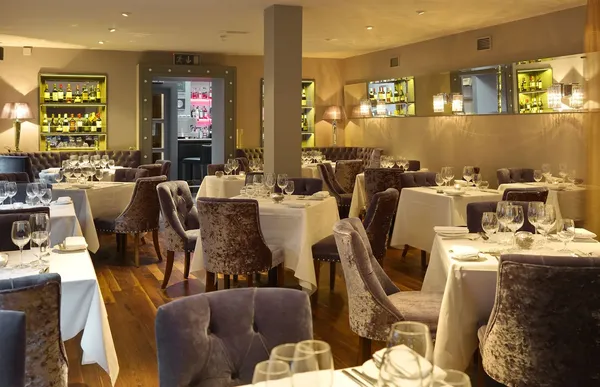
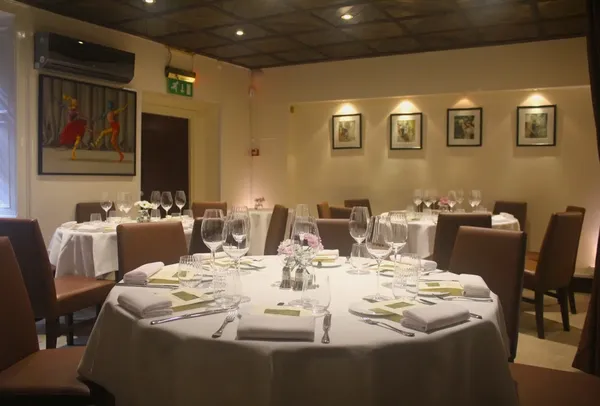
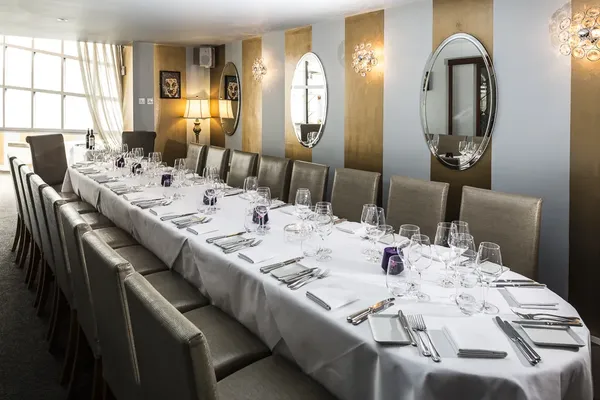
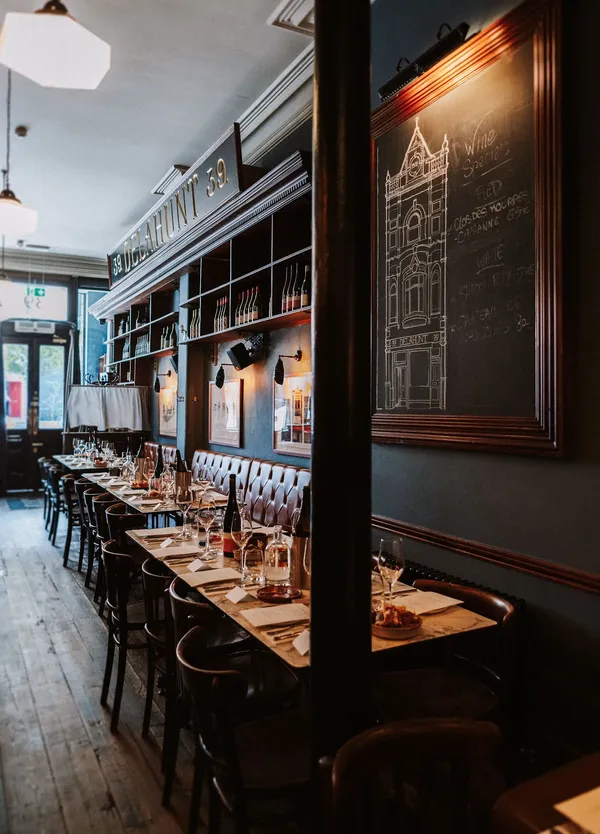
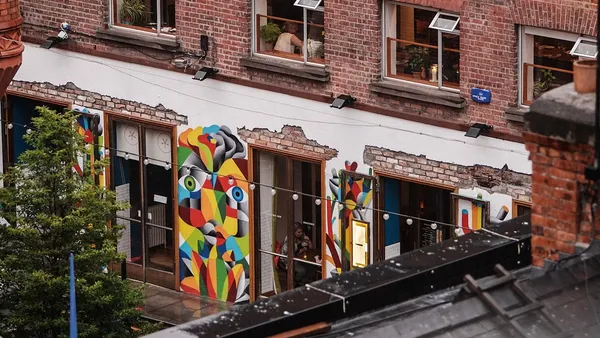
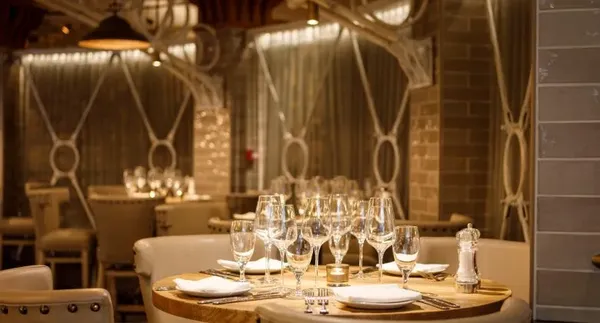
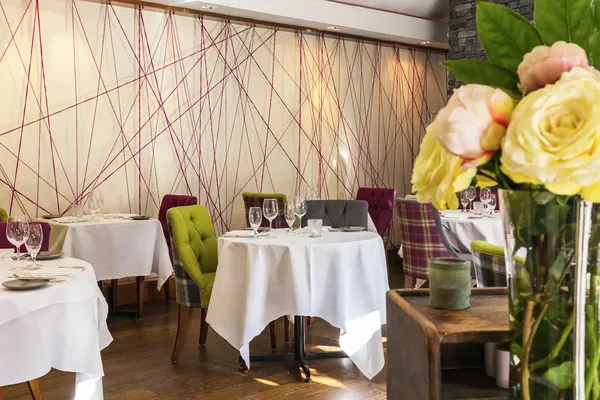
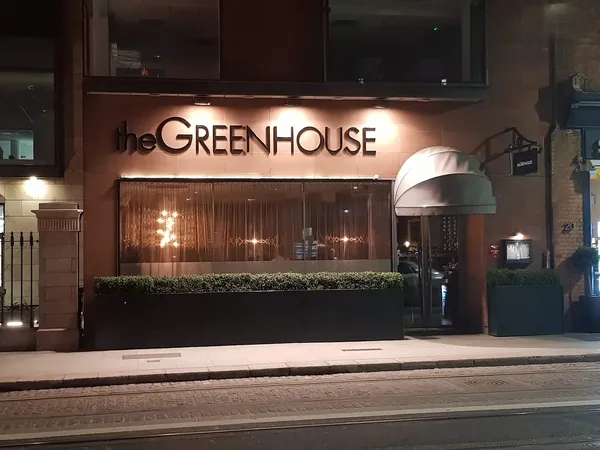
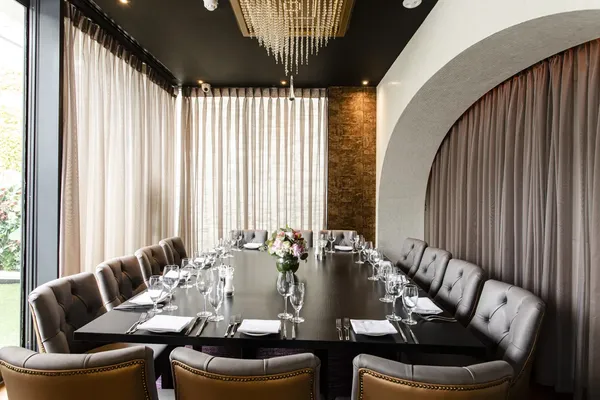
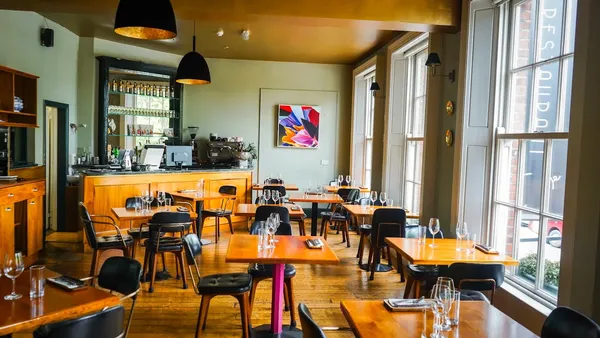
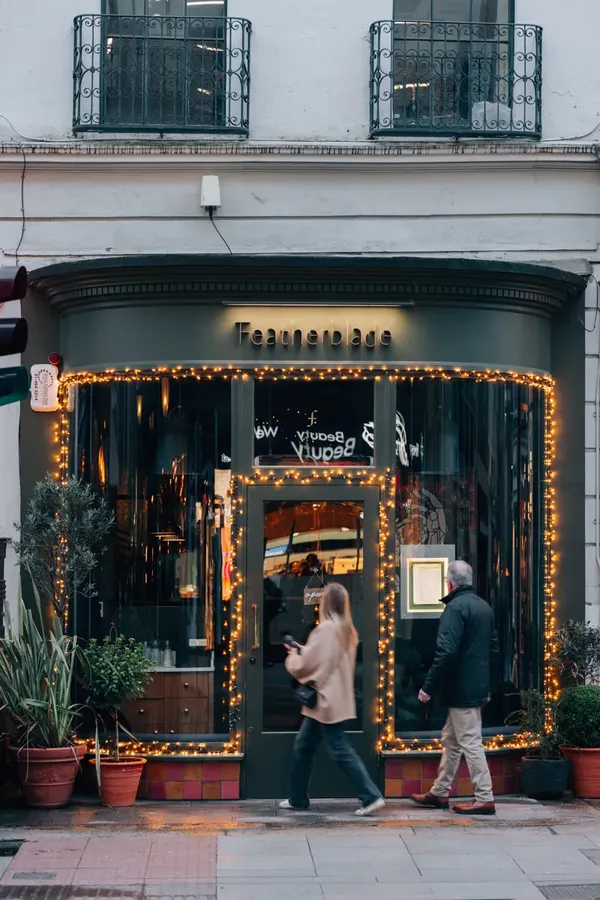
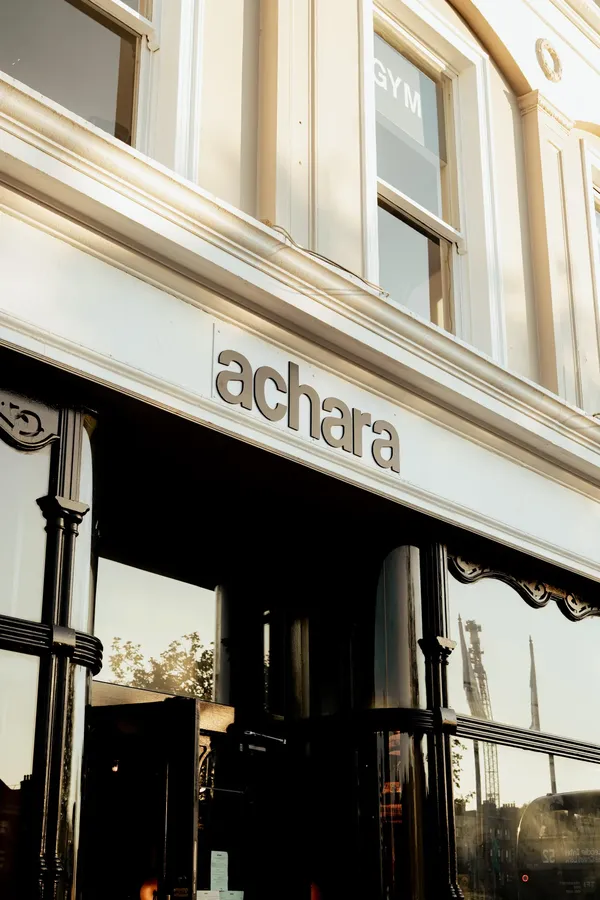

1 Michelin Star — Dublin's underground Michelin address on Merrion Street, reliably excellent for thirty years.
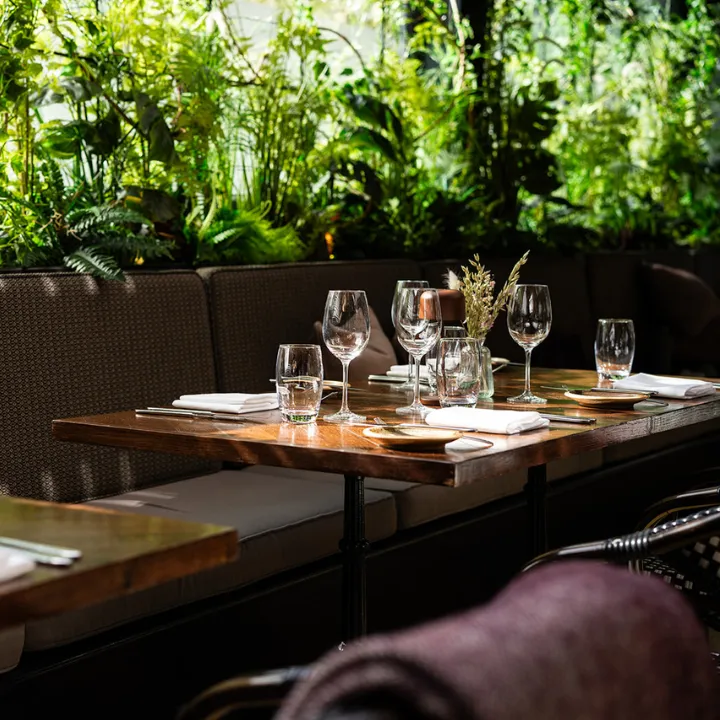
1 Michelin Star — Fitzwilliam Square's most discreet fine-dining secret; Georgian townhouse, Michelin cooking.

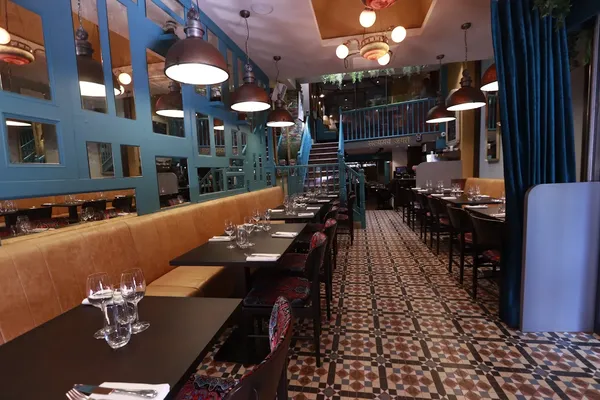
1 Michelin Star — Ireland's only Michelin-starred Indian restaurant; Connemara lamb meets the spice traditions of Goa.

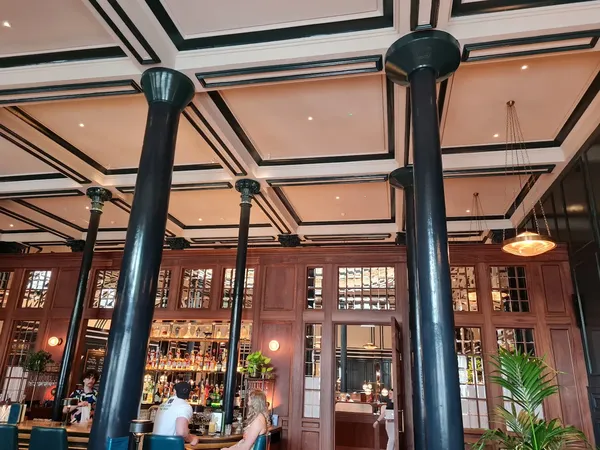
The Shelbourne's legendary dining room — Dublin's power table since 1824, where the Treaty was negotiated nearby.
Dublin's theatrical institution since 1956 — red banquettes, theatre memorabilia, and the warmth of a room with genuine soul.
Best for First Date in Dublin
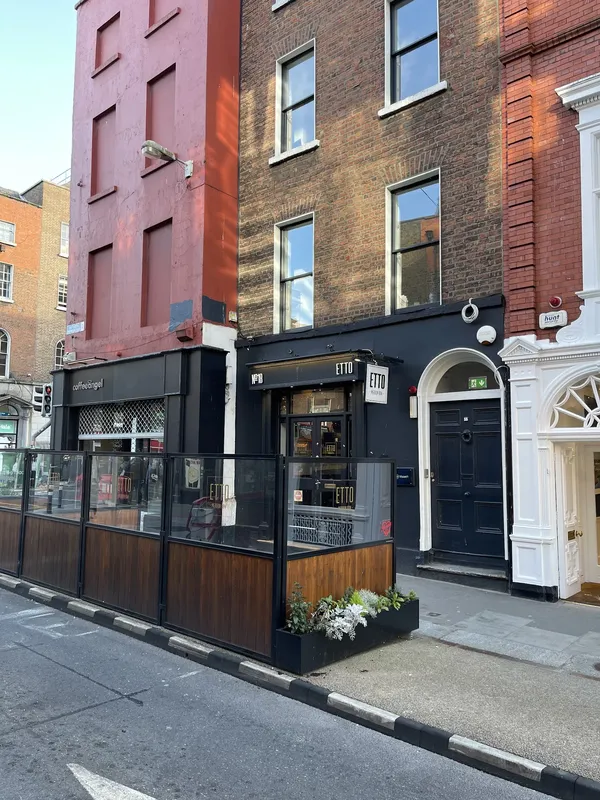
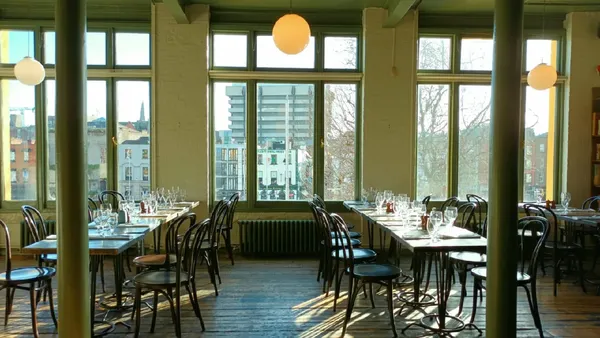
All First Date Restaurants →Dublin offers an uncommonly romantic first-date landscape. D'Olier Street's thirteen-course theatre across from Trinity makes an unforgettable impression; Etto on Merrion Row delivers intimacy without intimidation; The Winding Stair above its bookshop achieves the rare trick of being genuinely interesting as a conversation piece. Delahunt's Victorian-grocer setting adds literary weight to any evening.
Best for Closing a Deal in Dublin
All Business Dining →Restaurant Patrick Guilbaud remains the supreme power table — forty years of Michelin stars and the kind of institutional gravitas that signals serious intent before anyone has spoken. One Pico handles political and corporate lunches with effortless discretion. For steakhouse energy that closes with confidence, Hawksmoor's former National Bank setting is as grand a statement as any Dublin deal requires.
Dublin Dining Guide
Dublin's dining transformation over the past decade is the most quietly dramatic in Europe. A city that was once dismissed as a gastronomic backwater — overshadowed by London, outgunned by Paris — now holds more Michelin stars per capita than most European capitals, and in February 2026 hosted the Michelin Guide ceremony for Great Britain and Ireland for the first time. The accolade was not incidental. It was recognition of a scene that has arrived.
The architecture of Dublin dining runs through the Georgian core. Merrion Row, Baggot Street, Dawson Street, and the laneways of Dublin 2 contain the greatest concentration of fine-dining rooms — restaurants whose elegance is inseparable from the townhouses and former banking halls they inhabit. Chapter One sits in the basement of the Dublin Writers Museum on Parnell Square; Restaurant Patrick Guilbaud occupies a wing of the five-star Merrion Hotel; Glovers Alley looks out from the Fitzwilliam over St. Stephen's Green. The city lends its history to the table.
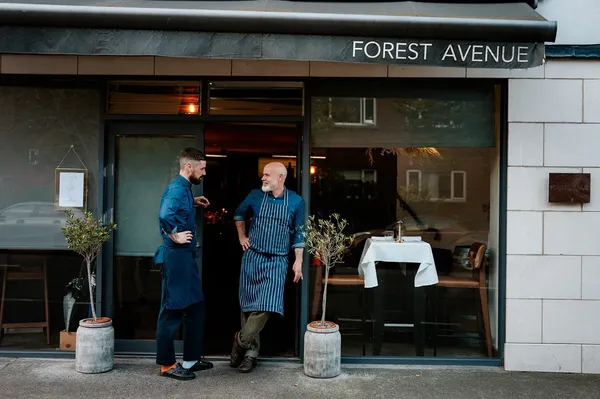
Beyond the centre, the coastal suburb of Blackrock has become an unlikely destination. Liath — two Michelin stars, Damien Grey explaining his dishes personally — operates out of a market building that could not be more inconspicuous. The contrast is the point: Dublin's best dining increasingly ignores address and demands to be found. Bastible on the South Circular Road, Forest Avenue in Ranelagh, Mulberry Garden hidden down a lane in Donnybrook — these are restaurants that exist because of their food, and for no other reason.
The dining week in Dublin follows a distinctive rhythm. Lunch — particularly for the business class — gravitates toward Merrion Row, Nassau Street, and the environs of the Dáil and the financial district in the IFSC. Dinner begins early by continental standards; 7pm is considered prime time and bookings at the top restaurants require weeks of advance planning. Weekend dining stretches later, with the canal-side neighbourhoods of Portobello and Ranelagh sustaining a more relaxed register.
Reservations at Dublin's Michelin-starred rooms are among the most competitive in Europe. Chapter One and Liath in particular operate waiting lists for peak times. Book through the restaurant websites directly; OpenTable and Resy carry most of the mid-market inventory. Cancellation policies are strictly enforced — this is a city of small, owner-operated rooms where no-shows have real consequences.
Georgian Dublin 2 — from St. Stephen's Green north through Merrion Row, Baggot Street, and Fitzwilliam Square — is the undisputed heart of serious dining. This is where Patrick Guilbaud, Etto, Dax, Glovers Alley, and L'Ecrivain operate, within a quarter-mile radius of each other.
Portobello and Ranelagh, on the south side of the city, host the neighbourhood restaurants that define Dublin's more relaxed register: Bastible, Forest Avenue, and the canal-side rooms that favour seasonal Irish cooking over destination spectacle.
Blackrock, a short DART ride south, is the emerging suburb — home to Liath and the Michelin-plated 3 Leaves, with a dining culture that feels intentionally apart from the city centre.
The North Side, historically overlooked by Dublin diners, is anchored by Chapter One on Parnell Square — a two-star restaurant that has single-handedly repositioned the area's gastronomic identity.
Tipping in Dublin is standard at 10–15% of the bill. Many restaurants add a service charge automatically; check before adding additional gratuity. Unlike London, where service can feel transactional, Dublin service tends toward warmth — expect conversation, not choreography.
Dress code at Michelin-starred rooms is smart casual to formal. Chapter One and Patrick Guilbaud expect jackets for men, though strictly enforced dress codes have largely relaxed post-pandemic. At mid-market rooms like Etto, Bastible, and The Winding Stair, smart casual is entirely appropriate.
Dublin's dining scene is largely cash-free. All major cards are accepted universally; contactless payment is standard. The euro is the currency — visitors from the UK should note the distinction from Northern Ireland.
Best dining months are May through October, when longer evenings and the warmest weather align with the city's most lively atmosphere. The Merrion Hotel garden terrace in summer — adjacent to Patrick Guilbaud — is one of Dublin's more civilised outdoor dining experiences.
Frequently Asked
Dining in Dublin
How many restaurants does Restaurants for Kings rank in Dublin?
Our Dublin editorial covers the city's top tier — Michelin-starred rooms, flagship chef-driven restaurants, iconic institutions, and the best new openings. Every restaurant listed has been personally reviewed by a named editor and scored on Food, Ambience, and Value.
How do I get a reservation at a top Dublin restaurant?
For the highest-demand rooms in Dublin, book 4-8 weeks in advance via OpenTable, Resy, Tock, or SevenRooms depending on the restaurant. For flagship tasting menus, reservations often open on the 1st of the month for the following month — set a calendar alert. Concierge services at Amex Centurion, Quintessentially, and top hotels can pull tables at shorter notice for $200-500.
What's the best restaurant in Dublin for closing a business deal?
Our Dublin editors rank deal-closing restaurants on the same criteria site-wide: acoustic privacy, power-table visibility, service pace, and discreet check handling. See our 'Best for Closing a Deal' section above for the current top picks in the city, with editorial scores and reservation difficulty ratings.
Which Dublin restaurant is best for a first date?
First-date restaurants in Dublin are scored on conversation-friendly acoustics, impression without intimidation, and menu flexibility. The city's top first-date rooms are listed in our 'Best for First Date' section — all have banquette or semi-private seating, under-75-dB acoustics, and service that retreats after ordering.
How expensive is fine dining in Dublin?
Top-tier restaurants in Dublin run $200-500 per person for a la carte at a flagship room; $350-800 per person for tasting menus at Michelin-starred or chef's-counter rooms. We score every restaurant on Value separately from Food and Ambience — a $680 tasting can score 10/10 on Value if the experience delivers at that price.
Does Restaurants for Kings take money from Dublin restaurants to rank them?
No. We do not accept payment, PR hospitality, or sponsorships that influence rankings. Every restaurant in our Dublin directory was visited anonymously and reviewed on the editor's own tab where possible. Any hospitality extended is disclosed on the individual restaurant page. Sponsored content is labelled separately and sits outside the editorial ranking grid.
Dublin by Occasion
The 2026 occasion-specific Dublin dining guides.
Frequently Asked Questions
Additional Restaurants


Read More about Dublin
Editorial guides from the journal — neighbourhoods, cuisines, occasions.
By Occasion
Rankings & Guides: Dublin
- Best Anniversary Restaurants in Dublin 2026
- Best Birthday Restaurants in Dublin 2026
- Best Close-a-Deal Restaurants in Dublin 2026
- Best First-Date Restaurants in Dublin 2026
- Best Impress-Clients Restaurants in Dublin 2026
- Best Proposal Restaurants in Dublin 2026
- Best Solo-Dining Restaurants in Dublin 2026
- Best Anniversary Restaurants in Dublin — the guide
- Best Birthday Restaurants in Dublin — the guide
- Best Close A Deal Restaurants in Dublin — the guide
- Best Corporate Restaurants in Dublin — the guide
- Best Date Night Restaurants in Dublin — the guide
- Best First Date Restaurants in Dublin — the guide
- Best Guide Restaurants in Dublin — the guide
- Best Impress Clients Restaurants in Dublin — the guide
- Best Brunch Restaurants in Dublin 2026
- Best View Restaurants in Dublin 2026