
#2 in Shimla
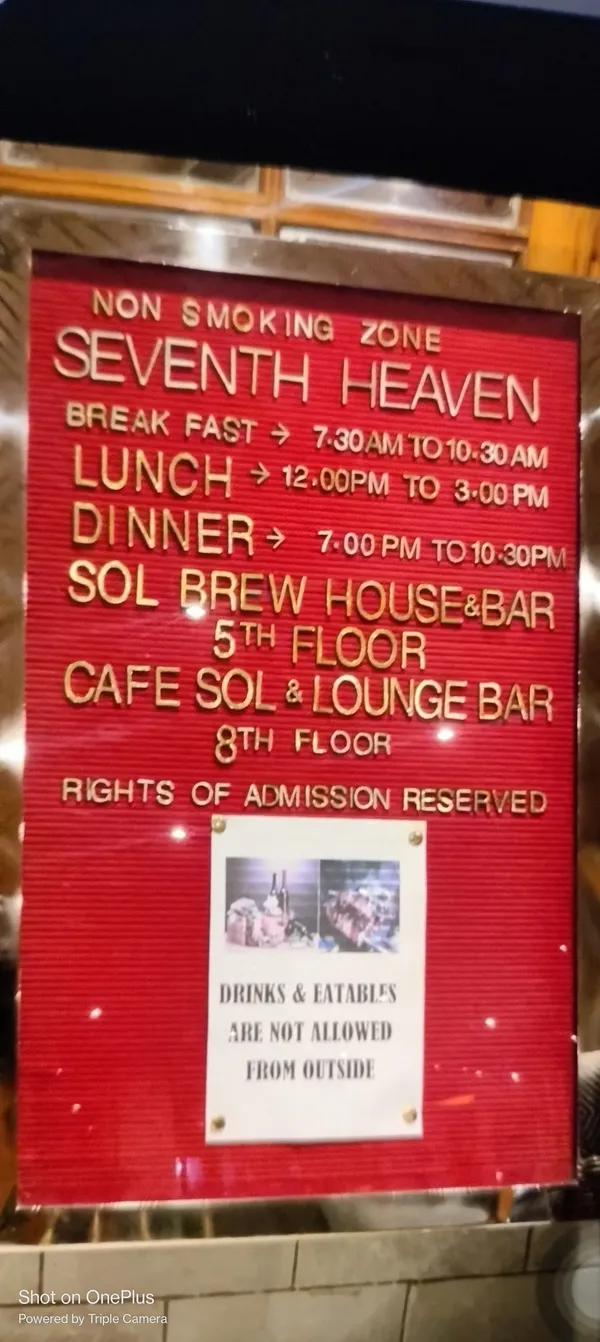
Seventh Heaven
Proposal
Seventh-floor panoramas and a multicultural menu — Shimla romance without Oberoi prices.
Food 8.7
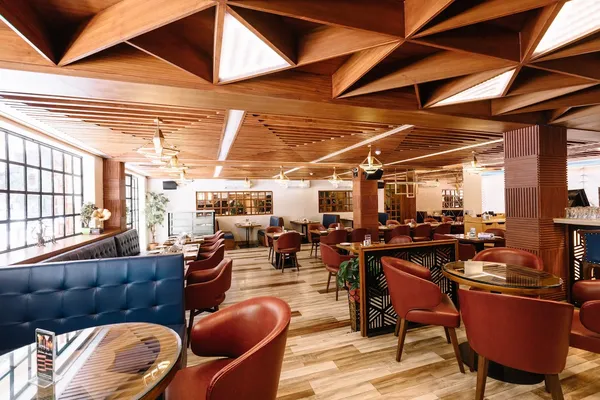
Ambience 9.2
Value 8.5
The definitive guide to Shimla's finest tables — ranked for every occasion, from first dates to deal-closing dinners.
Every table ranked, verdicts written, occasions assigned. Use the occasion filter above to narrow by your dining purpose.
$ under $40 · $$ $40–$80 · $$$ $80–$150 · $$$$ $150+ per person
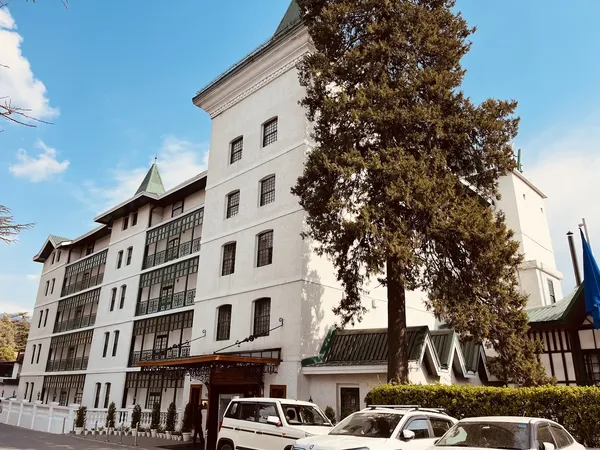
Shimla was the summer capital of British India — the place where the Raj retreated from the plains heat to the cool cedar forests of the Himachal Pradesh hills at 2,200 metres. The legacy is architectural: Tudor facades, Victorian promenades, a Gothic church on the ridge, and the Oberoi Cecil, which has been welcoming India's most powerful guests since 1884. The culinary legacy is more nuanced: a town that learned Continental cooking from British officers' messes and has been translating it into the Himalayan context ever since.
The result is a dining culture unlike anything else in India. Shimla's best restaurants offer multi-course Continental menus alongside Himachali regional cooking that is among the most underrepresented mountain cuisines in the country. Siddhu bread — a slow-fermented wheat roll baked on an open stone — is the region's daily bread. Babru, a deep-fried buckwheat pastry stuffed with black lentils, is the street food that the town is built on. Madra, a yoghurt-based legume curry cooked with cloves and cardamom in the Kangra style, is what the hills actually taste like.
The Mall Road area holds most of the fine-dining options, within walking distance of the main heritage properties. The Oberoi Cecil occupies its own commanding position above the town. Temperatures drop significantly from October onward and the best hotels light their fireplaces for the season.
The combination of a firelit room, a Himachali menu, and views of cedar forests disappearing into hill fog is among the most atmospheric dining experiences in India. Reserve the fireplace tables from October through March.
Explore more: dining by occasion • all cities • dining guides
Reservations in Shimla follow standard etiquette. The fine-dining picks above book 2-4 weeks ahead for weekend evenings; mid-tier neighbourhood restaurants accept 1-2 weeks; casual options often allow walk-ins if you arrive at 7pm or earlier. The peak season for Shimla dining mirrors the city's broader tourism rhythm — weekends and high-season holidays are tighter than mid-week and off-peak. Booking through the restaurant directly is faster than third-party platforms for the venues that maintain their own reservations.
Tipping in Shimla follows the local custom: 10-15% on the pre-tax total is standard, with 18-20% reserved for genuinely exceptional service. Many fine-dining venues now include a service charge automatically — check the bill before adding more. Card payment is universally accepted at the venues above; cash is welcomed but rarely required.
Shimla's dining scene operates year-round, but the best windows depend on your goals. Spring (March-May) and autumn (September-October) typically offer the best balance of weather, ingredient seasonality, and reservation availability. Summer brings tourist density at the harbour-side and central restaurants; the locals' favourite venues stay calmer in their own neighbourhoods. Winter is quieter but the heartier seasonal cooking — long-cooked meats, root vegetables, fortified wines — comes into its own.
The major calendar events to plan around: locally-relevant food festivals, a city restaurant week if Shimla runs one, and the international tourist holidays. The serious dining venues maintain their service quality across all seasons; the mid-tier options can dip during peak tourist periods when the staff is stretched thin.
Every dining city has a structural reason for its restaurant culture, and Shimla is no exception. The combination of local ingredient sourcing, the city's broader cultural orientation, the international cuisine integration, and the regulatory environment around food and beverage all shape what shows up on the plate. The restaurants we've ranked above are the ones that handle these structural elements with the most care — kitchens that know where their suppliers are, sommeliers who understand the regional wine context, and dining rooms calibrated to the city's actual pace rather than imported templates.
For visitors planning a single dining-driven trip to Shimla, our recommendation is to balance the splurge tier with the mid-tier neighbourhood discoveries that show what the city actually eats day-to-day. The casual options work for arrival nights, late-evening drinks, or the moments when the conversation matters more than the cuisine.
RFK Newsletter
We email you when a table worth booking opens in Shimla — reviewed by our editors, never paid placements.